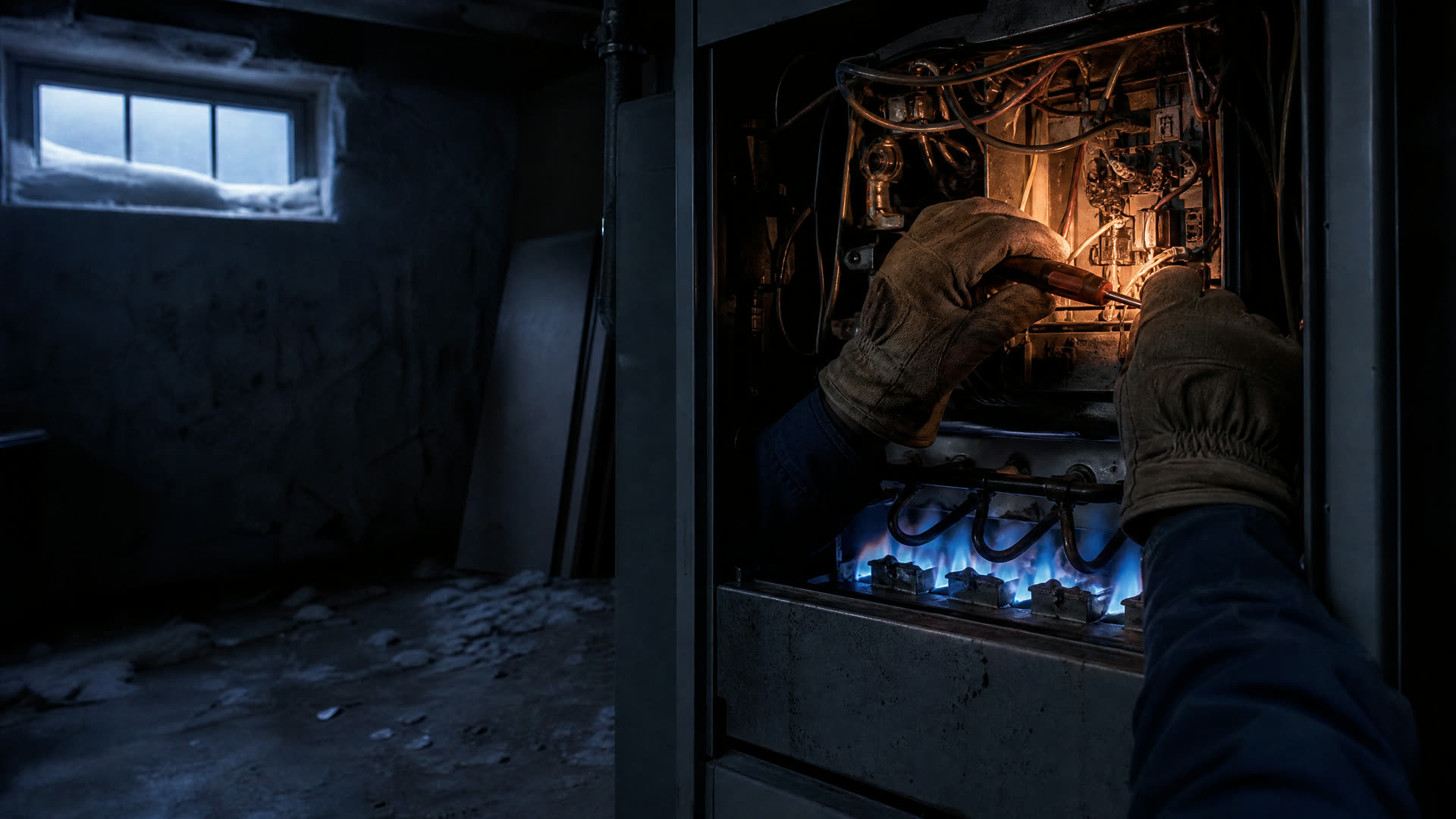
The technician will usually start by confirming the system has fuel, power, and a clear vent, then work through the safety controls that shut it down. In a house that took on water, expect them to look at the burner, gas valve, and wiring before deciding whether a part can be dried and tested or must be replaced.
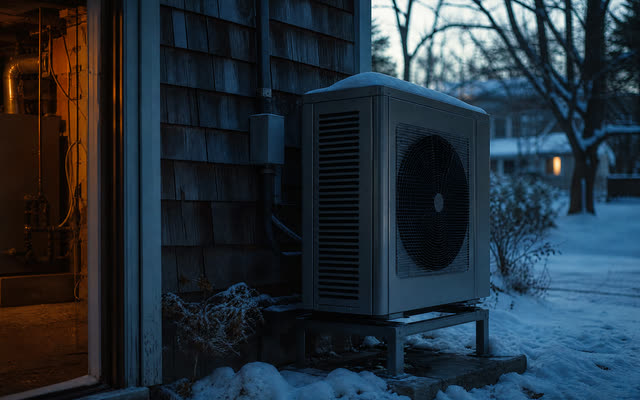
Some emergency fixes are simple part swaps, but replacing a boiler or furnace needs a permit. East Bridgewater's Building Department, where the plumbing and gas inspector works, handles those permits through its online system, and propane installations go through the Fire Department. Ask the contractor which permits apply and who schedules the inspection.
Have a few things ready: the system's age and fuel, when it last had service, what the thermostat and any display show, and whether the house is on a private well. Clear a path to the basement or utility room and make sure the driveway is plowed if you can.