
South Shore · No Heat
Emergency Heating Repair On The South Shore
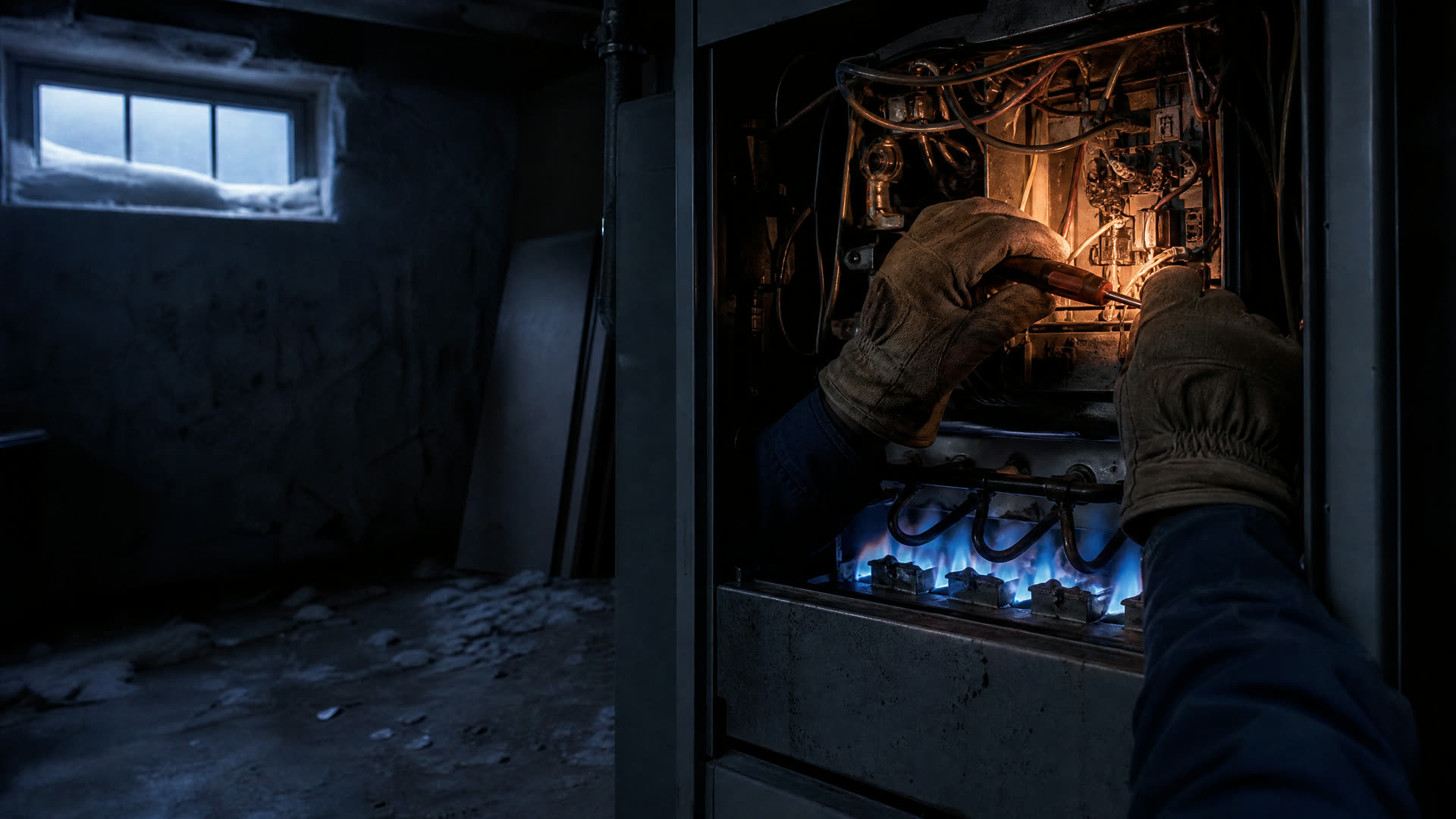
No heat, a boiler in lockout, or a furnace that keeps shutting off? Put safety first, try a few simple checks, then call to reach an independent heating pro who serves your town.
- Common requests:
- Independent local HVAC contractors
- You pay the pro you hire, never us
- How to check a Massachusetts license
Overview
When The Heat Goes Out
A cold house in January is stressful, but almost every no-heat night comes down to the same three questions: is anyone in danger, is the trouble in the equipment or in its fuel or power, and how quickly is the house losing heat. This page takes you through those questions in order, so you can make a calm decision before you pick up the phone.
South Shore HVAC Finder is a referral service. When you call or send a request, you're connected with an independent local heating contractor who serves your area. We don't do heating work ourselves; the pro you hire diagnoses the problem, quotes the repair, and does the work.
If you smell gas or a carbon monoxide alarm is sounding, stop reading now. Get everyone out of the house and call 911 or your gas company once you're outside.
Signs You Need Emergency Heating Help
A Carbon Monoxide Alarm Is Going Off
Treat every CO alarm as real. Leave first, then call 911 from outside so the fire department can test the air before anyone goes back in.
You Smell Gas Or Rotten Eggs
Utilities add that sulfur odor to natural gas so leaks get noticed. Don't flip switches or start appliances; walk out and make the call from outside.
No Heat And Falling Temperatures
If the thermostat is calling for heat and nothing happens while it's near freezing outside, both your pipes and the people in the house are at risk.
A Boiler Or Furnace In Lockout
Many systems shut themselves down after several failed tries to light. A blinking light or error code usually means a technician is needed, not another reset.
Water Or Oil Around The Equipment
A leaking boiler, a split pipe, or oil pooling near the burner means the system should stay off until a pro looks at it.
Smoke, Soot, Or A Lasting Burning Smell
Soot around a burner door or flue pipe, or a burning smell that doesn't fade after the first run of the season, can signal poor combustion.
Right now
What To Do Before The Heating Pro Arrives
Work through these in order, and skip anything that feels unsafe.
Get Out If There's Gas Or CO
Leave with everyone, pets included, and call 911 or the gas company from the yard or a neighbor's house. Stay out until responders tell you it's safe.
Check The Thermostat And Service Switch
Make sure the thermostat is set to heat, a few degrees above room temperature, with fresh batteries. Then check that the on-off service switch for the boiler or furnace, often at the top of the basement stairs, hasn't been flipped off.
Look At The Fuel Supply
With oil or propane, read the tank gauge; a tank that ran dry is a simple cause to rule out. Press an oil burner's reset button no more than once, because repeated resets can flood the chamber with oil.
Clear Snow From Wall Vents
High-efficiency boilers and furnaces often vent through a side wall with plastic pipes. After a storm, gently brush snow away from the intake and exhaust openings.
Protect The Pipes
Close doors to unused rooms, open sink cabinets on outside walls, and let a faucet drip if the house keeps cooling. Never heat the home with a gas oven, grill, or generator indoors.
Write Down What You See
Note error codes, blinking light patterns, unusual sounds, and when the trouble started. Those details help a technician narrow down the cause once you're connected.
What to expect
What A Heating Pro Will Usually Check
Expect the technician to start with safety: checking for gas leaks, testing for carbon monoxide, and looking at the flue or chimney connection. From there, they typically work through the controls, the ignition or burner, the circulator pump or blower, and the safety switches that can shut a system down.
A good pro explains what failed and why, and separates the repair that restores heat tonight from larger work they recommend later. If a part isn't on the truck, ask whether a temporary fix is safe and how long it should hold. If replacement comes up, ask for a written quote and compare options once the house is warm again.
Hire smart
Hiring Someone Fast Without Cutting Corners
Massachusetts has no single HVAC license. Gas work needs a gas fitter license, oil burner work a Department of Fire Services certificate, ductwork a sheet metal license, and larger refrigeration systems a refrigeration technician license. Most heating and cooling installs need a town permit.
Match The Credential To Your Fuel
Massachusetts has no single HVAC license. Gas burners and gas piping call for a gas fitter license, oil burners for a Department of Fire Services oil burner technician certificate, and ductwork for a sheet metal license. Look up gas fitters on the state's occupational license check and oil burner certificates on the DFS verification site.
Ask About Permits For Emergency Work
Urgent repairs still follow the building code. Plymouth, for example, notes that a permit application for emergency repairs goes to the building official within the next working business day, and an emergency oil burner replacement is filed with the fire department on the first business day after installation.
Ask How The Visit Is Billed
Before anyone drives over, ask whether the call is a set visit charge, an hourly rate, or a flat price per repair, and whether night and weekend rates differ.
Get The Repair In Writing
Even on an urgent call, ask for a written description of the work and parts used, plus any coverage the contractor or manufacturer offers on them.
Know What To Ask On The Phone
Worth asking up front: whether they work on your kind of system, roughly when someone could come out, and what you should do in the meantime. Clear, specific answers are a good sign.
Costs
What Affects The Cost Of Emergency Heating Repair
The biggest factors are the time of the call, what failed, and whether the part is in stock. A failed igniter, flame sensor, or circulator is a very different job from a cracked heat exchanger or a leaking boiler section, and evening or weekend visits are often billed differently from weekday ones.
To keep the bill predictable, ask for the visit charge up front and a written estimate before any repair beyond the diagnosis. If replacement is recommended, ask for the repair option too, so you can choose between restoring heat now and planning a new system on your own schedule.
Across the region
No-Heat Emergencies Across The South Shore
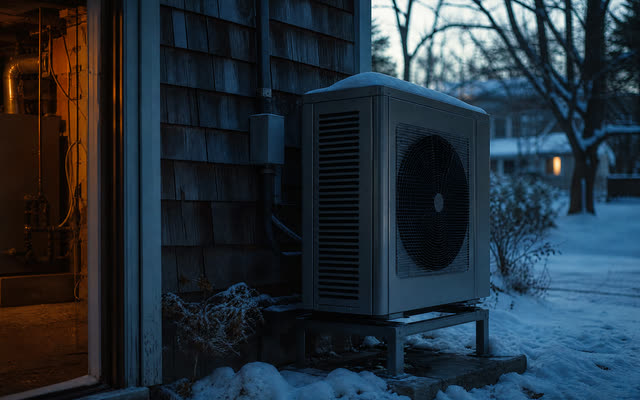
Massachusetts' carbon monoxide alarm law is named for Nicole Garofalo, a seven-year-old who died in January 2005 when snow blocked a heating vent at her home, which is why clearing vents after every storm matters here. Storms can knock out power too: after the February 2026 blizzard, about 21,000 Plymouth customers, 59 percent of the town, were still without electricity on the afternoon of February 24, and most modern boilers and furnaces can't run without it.
Sources:
Questions
Emergency Heating Repair Questions
Still not sure? Send a short request and a local pro can answer the specifics.
What should I do first if I have no heat on the South Shore?
Rule out danger first: if you smell gas or a CO alarm is sounding, leave and call 911 or the gas company from outside. If there's no hazard, check the thermostat, the service switch, and the fuel supply, then call to be connected with a local heating contractor.
Can I get emergency heating repair at night or on weekends?
Many heating contractors take after-hours calls in winter, but availability varies by company and by night. When you call, you'll be connected with an independent local pro, and you can ask directly when they could come and how after-hours visits are billed.
Is it safe to use a space heater while I wait?
An electric space heater can bridge the gap if you use it carefully: keep it clear of curtains and bedding, plug it straight into a wall outlet, and never leave it running unattended. Never use a gas oven, grill, camp stove, or generator inside to warm the house.
Do I need a permit for an emergency boiler or furnace replacement in Plymouth?
Yes. Replacing heating equipment needs permits, and in Plymouth the paperwork for emergency work is due by the next business day. The contractor normally files it, so ask them to show you the permit.
Should I keep pressing the reset button on my oil burner?
No. Pressing it again and again can pump unburned oil into the combustion chamber, which makes the next start harder and can be dangerous. If one reset doesn't bring the burner back, leave it off and call for help.
Why does my boiler keep going into lockout?
Lockout is a safety shutdown after the system fails to light or senses a problem such as low water, a blocked vent, or a dirty flame sensor. A technician needs to find the cause; resetting it repeatedly hides the problem without solving it.
Get connected
Tell Us What’s Going On
Share a few details and an independent local HVAC contractor who serves your town can follow up about the job. There’s no charge to use this site, and you decide whether to hire anyone.
Prefer to talk? Calling is the fastest way to reach a local HVAC contractor.
Call Now