Seasonal Homes
Many Marion Systems Sit Idle Until Summer
Census estimates count 279 seasonal or occasional-use homes in Marion. A tune-up in spring, before the house opens, catches many of the problems that otherwise appear on the first hot weekend.

Marion · Air Conditioning
Central air not cooling in a Marion home or summer house? Check the simple things, learn what storms do to outdoor units, and connect with a local HVAC contractor.
Marion, Massachusetts
Marion's busiest cooling weeks come when the town fills up. The 2023 Housing Production Plan described Marion as a summer vacation destination, and the Census counts 279 homes held for seasonal or occasional use. Systems that sat idle all winter often get switched on for the first time in a June heat wave, which is when weak capacitors, clogged drains, and nests in the condenser show up.
Storm season overlaps with cooling season here. The town's flood history includes Hurricane Bob in August 1991, the remnants of Tropical Storm Andrea in June 2013, and Ida's rainfall in September 2021. An outdoor condenser that sat in floodwater or salt spray needs a professional look before it runs.
When you call or send a request, you'll be connected with an independent HVAC contractor who handles air conditioning in Marion. South Shore HVAC Finder makes referrals and doesn't repair equipment itself.
If the indoor blower runs but the air isn't cool, the cause may be a failed capacitor, a refrigerant leak, or a dirty coil.
Frost on the copper line or the indoor coil usually means low airflow or low refrigerant. Shut the system off to let it thaw and call.
Condensate overflowing from an attic air handler can stain ceilings fast, and a clogged drain line is a common cause after a season of sitting idle.
A breaker that trips repeatedly is an electrical warning; don't keep resetting it.
Local knowledge
Seasonal use, coastal flooding, and older houses shape cooling work in Marion.
Seasonal Homes
Census estimates count 279 seasonal or occasional-use homes in Marion. A tune-up in spring, before the house opens, catches many of the problems that otherwise appear on the first hot weekend.
Flood Hazard
About 36% of Marion's land lies in FEMA Special Flood Hazard Areas, and coastal flooding comes from Buzzards Bay during hurricanes and major storms. A condenser on a slab at grade in those areas can be submerged, so raising it on a stand is worth discussing at replacement time.
Older Homes
With 47.9% of Marion's housing built before 1960, many homes were designed around radiators rather than ducts. Adding central air to such a house means finding room for ducts in attics and closets, which is why ductless systems often get quoted as an alternative.
Right now
These checks are safe for any homeowner; leave refrigerant and wiring to a pro.
If floodwater or storm surge reached the outdoor unit, keep the system off at the thermostat and don't touch the outdoor disconnect while standing in water. Have it checked first.
Set the thermostat to cool, a few degrees below room temperature, and replace a dirty air filter.
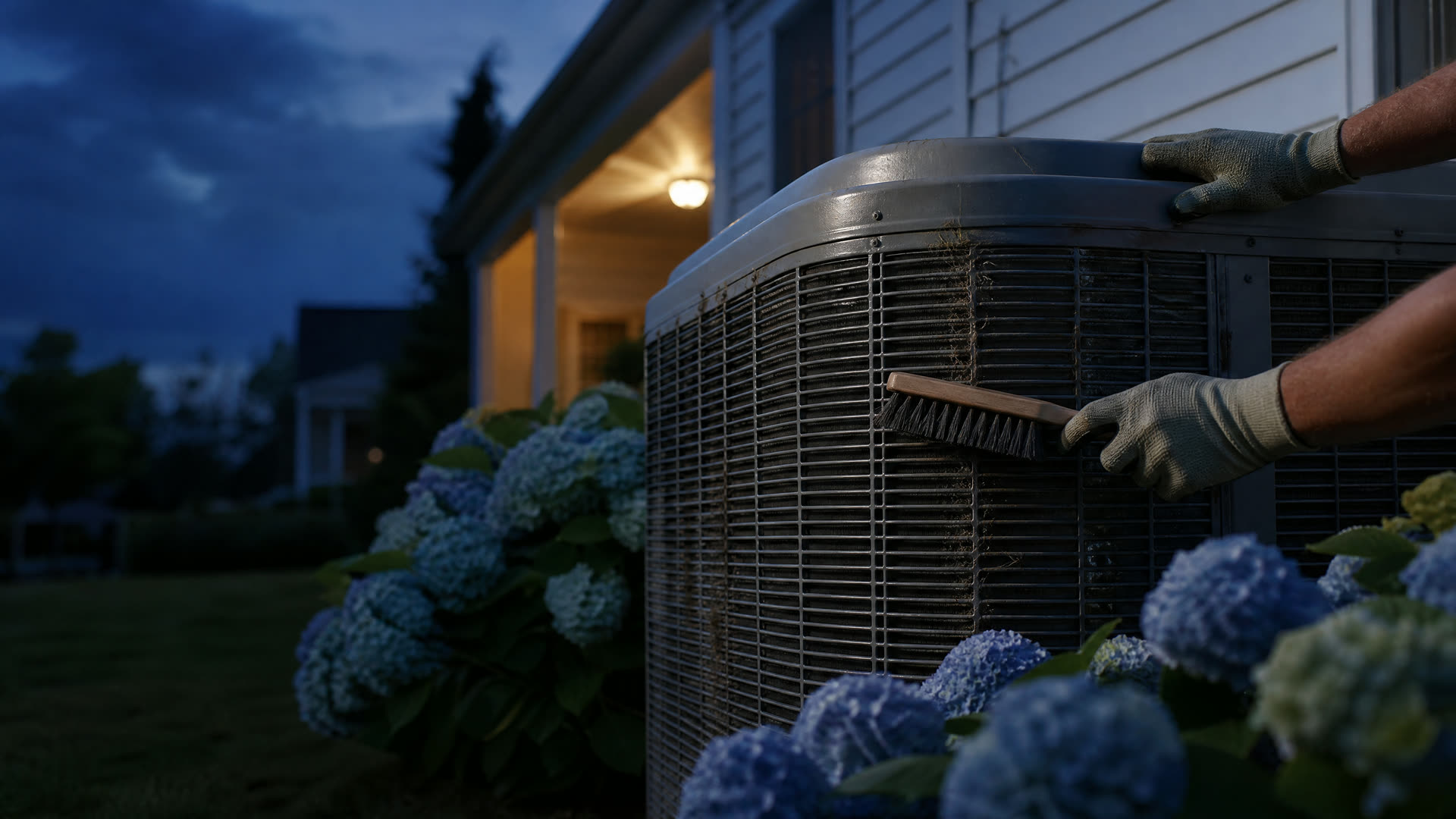
Pull away leaves, storm debris, and overgrown plants for a couple of feet around the condenser so it can move air.
If the pan under the indoor unit is full, turn the system off and call; a float switch may have shut it down to prevent a leak.
What to expect
A technician will usually check the electrical parts, measure refrigerant pressures and temperatures, clean or inspect the coils, and clear the condensate drain. For a summer house that was closed for months, expect them to look for animal damage to wiring and to the insulation on the line set.
Replacing a system generally needs an electrical permit, and Marion's wiring inspector works Tuesday and Thursday from 1 pm to 3 pm, so a new condenser may wait for an inspection day. Refrigerant work belongs to a technician with federal EPA refrigerant certification.
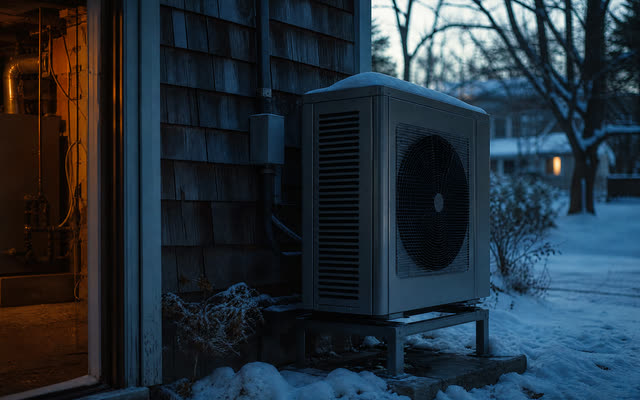
If an aging central air unit needs replacing, ask whether a heat pump makes sense instead. Marion's electric service comes from Eversource, so Mass Save heat pump offers may apply, and a heat pump heats as well as cools.
Hire smart
Massachusetts has no single HVAC license. Gas work needs a gas fitter license, oil burner work a Department of Fire Services certificate, ductwork a sheet metal license, and larger refrigeration systems a refrigeration technician license. Most heating and cooling installs need a town permit.
Salt air and flood exposure come with living near Sippican Harbor and Buzzards Bay. Ask how the contractor mounts and protects outdoor units on waterfront lots.
New ductwork in Massachusetts requires a sheet metal license, which you can look up on the state's occupational license search.
An oversized air conditioner cools quickly but leaves the house clammy. A proper load calculation matters in a humid coastal summer.
Ask what's included, when the electrical inspection will happen, and how the old unit and its refrigerant will be disposed of.
Costs
Diagnosis time, the part, and refrigerant needs drive repair bills. A capacitor or contactor is a modest job; a compressor or a leaking coil can push the decision toward replacement, especially on an older system.
For a new system, ductwork is the big variable in Marion's older homes. Ask for written estimates that compare central air with ducts against a ductless or heat pump option, including mounting, electrical work, permits, and any Mass Save offer that applies.
More help in Marion
Every page below is written for Marion homes. Or start from the Marion hvac guide.
Learning Center
Heating and cooling work in Massachusetts is split across several state licenses. Knowing which one matches your system is the fastest way to tell a qualified contractor from a risky one.
Read the guide
A heat pump proposal is only as good as the design behind it. These questions help you compare quotes, protect your rebate eligibility, and avoid a system that's the wrong size for your house.
Read the guideQuestions
Still not sure? Send a short request and a local pro can answer the specifics.
Common culprits are a failed capacitor, a clogged condensate drain, debris in the condenser, or damage from animals. A spring check before you open the house can catch these.
Not until it's inspected. Saltwater and floodwater can corrode electrical parts and coils. Keep it off and have a contractor check it.
An electrical permit is usually involved, and Marion's electrical inspections run Tuesday and Thursday afternoons. The contractor should pull the permit and schedule the inspection.
That depends on the contractor's schedule, and summer demand runs high. When you call, you're connected with an independent local contractor who can tell you their timing. Keep shades drawn and run fans in the meantime.
Get connected
Share a few details and an independent local HVAC contractor who serves your town can follow up about the job. There’s no charge to use this site, and you decide whether to hire anyone.
Prefer to talk? Calling is the fastest way to reach a local HVAC contractor.
Call Now